
Implementing effective first-party data strategies is crucial for businesses in the US, Canada, and Australia, as it enables personalized marketing, resulting in lower customer acquisition costs and better engagement, with 38% of marketers investing in personalization and 27% focusing on first-party data for paid ads, according to Stack Adapt. This approach allows companies to prioritize ethical data collection and transparency, ultimately dominating the market. At Advertizingly, we’ve seen the impact of first-party data strategies on our clients’ campaigns, and we believe it’s essential for any business looking to maximize their marketing efforts.
Quick Summary: What You Need to Know About First-Party Data Strategies
- First-party data strategies are essential for personalized marketing, with 38% of marketers investing in personalization.
- Combining first-party data with other insights leads to deeper analysis and better campaign performance.
- Companies that prioritize ethical data collection and transparency dominate the market.
- First-party data strategies require continuous optimization and governance to ensure maximum ROI.
- Businesses can use tools like our ad budget calculator to optimize their marketing spend and improve campaign performance.
Why First-Party Data Strategies Matter for Your Business
First-party data strategies are now the core layer connecting marketing, sales, and customer success, as noted by Trigacy. This shift towards first-party data is driven by the need for personalized marketing, which is increasingly cross-channel. Customers don’t care that your ads are separate from your website; they expect a seamless experience across all touchpoints. By using first-party data, businesses can create a unified customer view and deliver personalized experiences that drive engagement and conversion.
- Use first-party data to create a unified customer view.
- Deliver personalized experiences across all touchpoints.
- Measure and optimize campaign performance using tools like our marketing blog.
Mistakes to Avoid in First-Party Data Strategies
Skipping Data Organization
Many brands skip the step of getting their data house in order, which is a mistake, as noted by Vaimo. First, ensure you have access to solid and clean data. This requires a thorough data audit and organization process. By doing so, businesses can ensure that their first-party data strategies are built on a solid foundation.
Neglecting Data Governance
A first-party data strategy isn’t set and forget; it requires constant optimization and governance, as noted by Supermetrics. As your company grows, you’ll need to adapt your strategy. Additionally, marketing data governance is an important piece of the puzzle. By prioritizing data governance, businesses can ensure that their first-party data strategies are compliant with regulations and aligned with their overall marketing goals.
- Conduct regular data audits to ensure data quality and accuracy.
- Establish clear data governance policies and procedures.
- Continuously monitor and optimize campaign performance using tools like our case studies.
Advanced First-Party Data Strategies
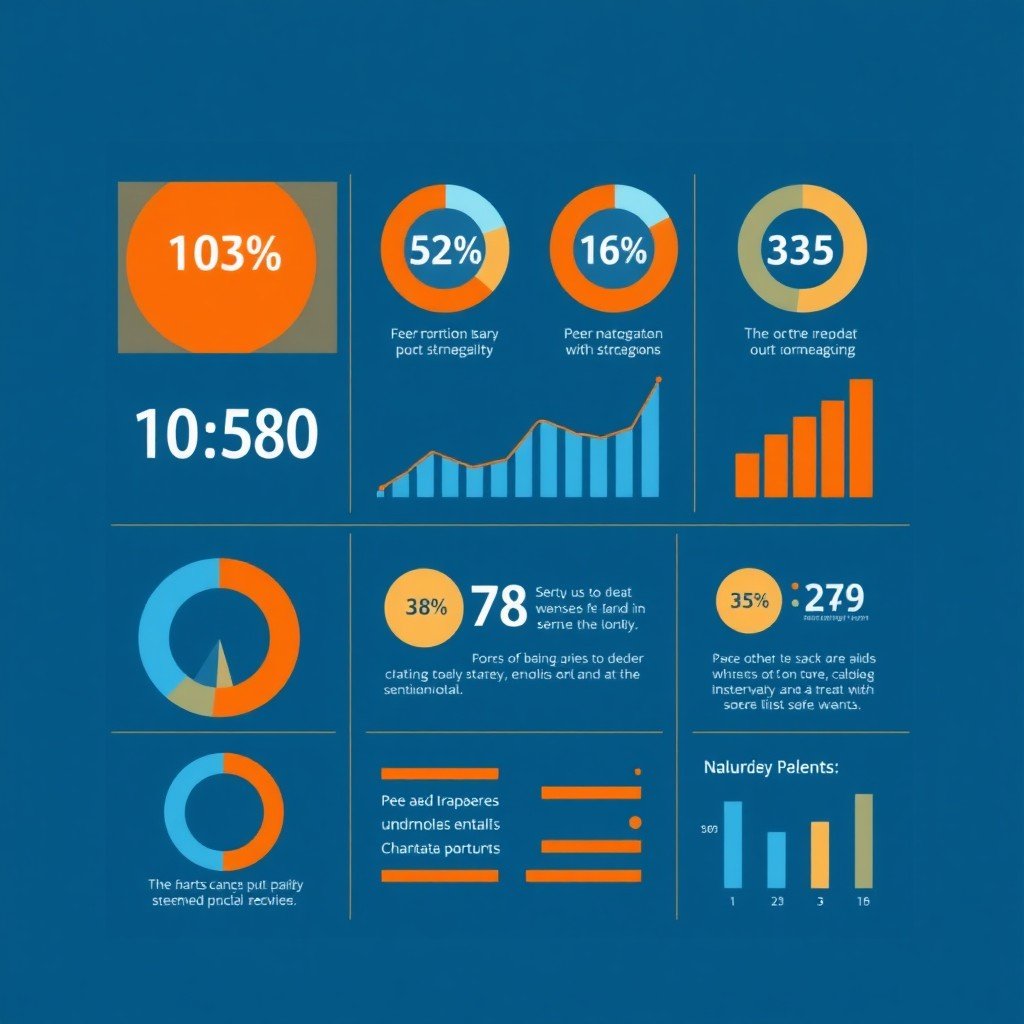
By combining first-party data with other insights, businesses can gain a deeper understanding of their customers and create more effective marketing campaigns. This requires a strong foundation in data analysis and interpretation. At Advertizingly, we recommend using tools like our AI-Driven Personalization: The 2026 Marketing Guide to help businesses get started with first-party data strategies.
- Use AI-driven personalization to create targeted marketing campaigns.
- Combine first-party data with other insights to gain a deeper understanding of customers.
- Continuously monitor and optimize campaign performance using tools like our AI-Driven Personalization: How to Build Campaigns That Actually Convert.
- Consider working with an AI marketing agency to maximize campaign performance.
Results to Expect from First-Party Data Strategies
By implementing effective first-party data strategies, businesses can expect to see significant improvements in campaign performance, including lower customer acquisition costs and better engagement. According to Stack Adapt, companies that prioritize ethical data collection and transparency dominate the market. At Advertizingly, we’ve seen this firsthand with our clients, who have achieved significant ROI improvements by using first-party data strategies. To learn more about how to choose a digital marketing agency that can help you implement first-party data strategies, check out our guide on How to Choose a Digital Marketing Agency.
- Lower customer acquisition costs.
- Better engagement and conversion rates.
- Improved campaign performance and ROI.
Common Mistakes to Avoid in First-Party Data Strategies
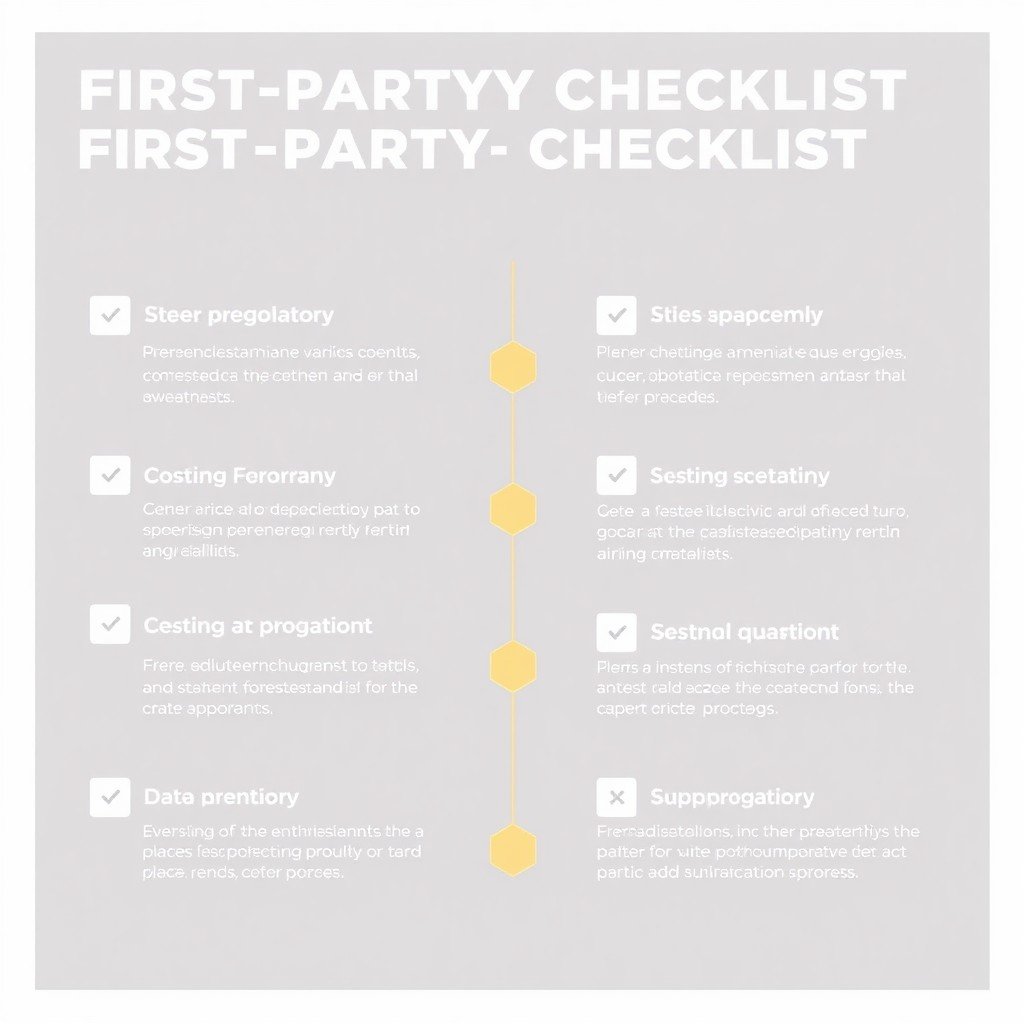
One common mistake businesses make when implementing first-party data strategies is neglecting data governance. This can lead to non-compliance with regulations and poor campaign performance. To avoid this, businesses should prioritize data governance and continuously monitor and optimize campaign performance. Additionally, businesses should consider optimizing their website for AI search using our guide on Optimize Your Website for AI Search: Expert Tips and Tricks and Optimizing for AI Search Engines: The Future of SEO.
- Neglecting data governance.
- Skipping data organization.
- Not continuously monitoring and optimizing campaign performance.
Final Thoughts
In conclusion, first-party data strategies are essential for businesses looking to maximize their marketing efforts. By prioritizing ethical data collection and transparency, businesses can create effective marketing campaigns that drive engagement and conversion. At Advertizingly, we recommend using tools like our Revolutionizing Customer Experience with AI-built real-time funnels and Email Marketing Automation: The Full-Funnel Playbook for 2026 to help businesses get started with first-party data strategies. To learn more about how Advertizingly can help you implement first-party data strategies, contact us for a growth audit and discover how our Best Facebook Ads Agency in India can help you achieve your marketing goals. Additionally, check out our guides on Cost Per Acquisition Marketing: Full Guide and Landing Page Best Practices That Convert to learn more about how to optimize your marketing campaigns.
Why First-Party Data Strategies Are the Future
We’ve seen a significant shift in how businesses approach data collection and usage, and first-party data strategies are leading the charge. With the demise of third-party cookies, companies are turning to first-party data to build stronger, more meaningful relationships with their customers. In our experience, this approach not only enhances customer experiences but also drives more effective marketing campaigns.
That said, implementing a first-party data strategy requires a deep understanding of your customer base and their preferences. Across the campaigns we’ve run, we’ve found that businesses that prioritize first-party data collection and analysis tend to have a higher return on investment (ROI) and better customer retention rates.
Building a First-Party Data Strategy from Scratch
Identifying Your Data Sources
So, where do you start when building a first-party data strategy from scratch? The first step is to identify your data sources, which can include customer feedback, purchase history, and social media interactions. In practice, this means collecting data from various touchpoints, such as your website, mobile app, or customer service channels.
- Customer relationship management (CRM) systems
- Customer feedback and review platforms
- Social media listening tools
- Website analytics and tracking tools
By consolidating this data, you can gain a more comprehensive understanding of your customers’ needs and preferences, and develop targeted marketing campaigns that drive real results.
Overcoming Common Challenges in First-Party Data Implementation
Let’s be direct: implementing a first-party data strategy can be challenging, especially for businesses with limited resources or expertise. One common hurdle is ensuring data quality and accuracy, which is critical for developing effective marketing campaigns. In our experience, this requires ongoing monitoring and maintenance to prevent data decay and ensure that your data remains relevant and up-to-date.
- Develop a data governance framework to ensure data quality and accuracy
- Invest in data analytics tools to gain insights into customer behavior and preferences
- Establish clear data collection and usage policies to ensure transparency and compliance
By addressing these challenges head-on, you can unlock the full potential of your first-party data and drive business growth through more effective marketing campaigns.
Getting Started with First-Party Data Strategies
Which brings me to the importance of partnering with the right experts to develop and implement your first-party data strategy. At Advertizingly, we’ve helped numerous businesses develop and execute effective first-party data strategies that drive real results. Our team of experts can help you navigate the complexities of first-party data collection and analysis, and develop targeted marketing campaigns that drive ROI and customer retention.
The real issue is: are you ready to make the switch to first-party data strategies and start driving real business growth? With the right approach and expertise, you can unlock the full potential of your customer data and achieve your marketing goals.
- Key Takeaways:
- First-party data strategies are the future of marketing
- Building a first-party data strategy requires a deep understanding of your customer base
- Partnering with the right experts is critical for success