
Creating immersive AR/VR experiences is no longer a novelty, but a necessity for brands looking to elevate their customer engagement and interaction. By 2026, AR/VR experiences are expected to show a 56.5% global user penetration rate, with significant efficiency and engagement improvements in training and retail, as reported by Shay Ai Ke Hassan. This shift towards immersive technologies is not just a trend, but a strategic move to boost conversion rates and brand loyalty, with 94% higher conversion for 3D/AR products.
Quick Summary: What You Need to Know About Immersive Ar/Vr Experiences
- Immersive AR/VR experiences can increase customer engagement and interaction
- AR/VR training effectiveness provides compelling evidence for immersive learning’s advantages over traditional methods
- Defining clear objectives, focusing on user interaction, and measuring results are crucial for creating effective AR/VR experiences
- AR/VR can be used to create virtual test drives, allowing customers to experience a car’s features and performance without leaving their home
- Implementing immersive brand experiences requires careful planning and creativity, as highlighted in our marketing blog
Unlocking the Power of Immersive AR/VR Experiences for Your Brand
To create immersive AR/VR experiences, brands must focus on user interaction and measure results to refine campaigns. This approach is evident in the success of Walmart’s VR training program, which prepared its 2 million associates for high-pressure scenarios, such as the holiday rush and safety drills, as reported by Treeview Studio. By leveraging AR/VR, brands can increase customer engagement, improve training effectiveness, and boost conversion rates. Our ad budget calculator can help you allocate your budget effectively to create immersive AR/VR experiences.
- Define clear objectives for your AR/VR experience
- Focus on user interaction and feedback
- Measure results and refine your campaign
Avoiding Common Mistakes in Immersive AR/VR Experience Creation
Sub-point A: Lack of Clear Objectives
A common mistake in creating immersive AR/VR experiences is the lack of clear objectives. Without a clear understanding of what you want to achieve, your AR/VR experience may not resonate with your target audience. As Robotic Marketer notes, defining clear objectives is crucial for creating effective AR/VR experiences.
Sub-point B: Insufficient User Interaction
Another mistake is insufficient user interaction. AR/VR experiences that do not allow for user interaction may not engage customers effectively. As Theatlyx highlights, implementing immersive brand experiences requires careful planning and creativity.
- Define clear objectives for your AR/VR experience
- Focus on user interaction and feedback
- Measure results and refine your campaign
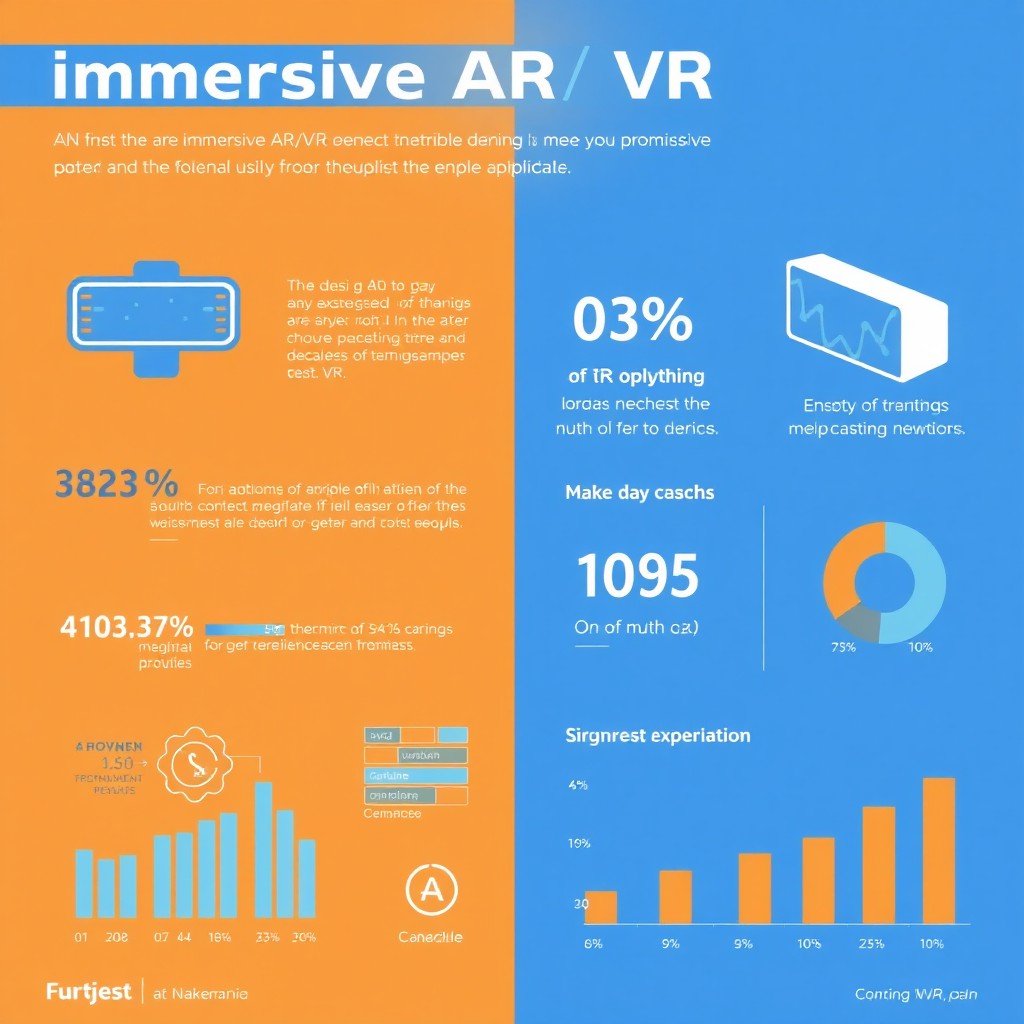
Creating Effective Immersive AR/VR Experiences: Best Practices
To create effective immersive AR/VR experiences, brands must focus on user interaction, define clear objectives, and measure results. As our case studies demonstrate, immersive AR/VR experiences can increase customer engagement, improve training effectiveness, and boost conversion rates. By leveraging AR/VR, brands can create immersive experiences that resonate with their target audience. Check out our guide on How to Reduce Google Ads Cost Per Click to optimize your ad spend.
- Define clear objectives for your AR/VR experience
- Focus on user interaction and feedback
- Measure results and refine your campaign
- Use AR/VR to create virtual test drives and product demonstrations
Advanced Strategies for Immersive AR/VR Experience Creation
For brands looking to create advanced immersive AR/VR experiences, it’s essential to focus on user-centric design. By prioritizing user interaction and feedback, brands can create AR/VR experiences that are both engaging and effective. As How to Choose a Digital Marketing Agency notes, selecting the right digital marketing agency is crucial for creating successful AR/VR experiences. Our Google Ads Management for Small Business services can help you create targeted ads that drive traffic to your AR/VR experience.
Additionally, brands can leverage AR/VR to create immersive experiences that drive customer loyalty and retention. By using AR/VR to create virtual events and product launches, brands can create engaging experiences that resonate with their target audience. Check out our guide on Retargeting Ads Strategy That Converts to learn more about creating effective retargeting ads. For more information on optimizing your website for AI search, check out our guides on Optimize Your Website for AI Search and Optimizing for AI Search Engines.
Results and Expectations from Immersive AR/VR Experiences
Immersive AR/VR experiences can drive significant results for brands, including increased customer engagement, improved training effectiveness, and boosted conversion rates. As The Rise of First-Party Data Strategies notes, leveraging first-party data is essential for creating effective AR/VR experiences. By using AR/VR to create immersive experiences, brands can increase customer loyalty and retention, driving long-term growth and revenue. Our AI-Driven Personalization services can help you create targeted marketing campaigns that drive results.
- Increase customer engagement and interaction
- Improve training effectiveness and reduce costs
- Boost conversion rates and drive revenue
Common Mistakes to Avoid in Immersive AR/VR Experience Creation
A common mistake in creating immersive AR/VR experiences is the lack of clear objectives and insufficient user interaction. By avoiding these mistakes, brands can create effective AR/VR experiences that drive results. As Revolutionizing Customer Experience with AI-built real-time funnels notes, leveraging AI-built real-time funnels can help brands create immersive experiences that drive customer loyalty and retention.
- Lack of clear objectives
- Insufficient user interaction
- Failure to measure results and refine the campaign
Final Thoughts
In conclusion, creating immersive AR/VR experiences is a strategic move for brands looking to elevate their customer engagement and interaction. By defining clear objectives, focusing on user interaction, and measuring results, brands can create effective AR/VR experiences that drive results. If you’re looking to create immersive AR/VR experiences for your brand, contact us for a Advertizingly growth audit to get started. Additionally, check out our guides on Email Marketing Automation and Cost Per Acquisition Marketing to learn more about creating effective marketing campaigns. For more information on our services, including AI Marketing Agency and Facebook Ads Agency in India, visit our website today.
Designing Engaging Storylines for Immersive AR/VR Experiences
We’ve seen that a well-crafted narrative is key to creating immersive AR/VR experiences that capture users’ attention and leave a lasting impression. To achieve this, focus on developing a storyline that is both interactive and dynamic, allowing users to influence the outcome and become an integral part of the experience.
So, what makes a compelling narrative for AR/VR? It’s all about creating an emotional connection with the user, which can be achieved by incorporating elements such as character development, conflict, and resolution. By doing so, you can craft a storyline that is both engaging and memorable.
Technical Considerations for Seamless AR/VR Integration
Optimizing Performance and Reducing Latency
In our experience, one of the biggest challenges in creating immersive AR/VR experiences is ensuring seamless integration and optimal performance. To achieve this, it’s essential to consider factors such as latency, resolution, and frame rate, as these can significantly impact the overall user experience.
- Conduct thorough testing to identify and resolve any technical issues that may arise
- Optimize your content for various devices and platforms to ensure compatibility
- Use advanced tools and software to streamline the development process and reduce latency
Measuring the Success of Your AR/VR Campaign
Let’s be direct: measuring the success of your AR/VR campaign is crucial to understanding its impact and identifying areas for improvement. To do this, you’ll need to track key metrics such as engagement rates, conversion rates, and user retention, which can provide valuable insights into the effectiveness of your immersive AR/VR experiences.
- Set clear goals and objectives for your campaign to ensure you’re measuring the right metrics
- Use analytics tools to track user behavior and monitor campaign performance
- Conduct regular reviews and assessments to identify areas for improvement and optimize your campaign for better results
- Consider seeking expert advice from agencies like Advertizingly to help you create and measure the success of your AR/VR campaign
Key Takeaways for Creating Effective Immersive AR/VR Experiences
And yet, despite the many benefits of immersive AR/VR experiences, creating effective campaigns can be a complex and challenging process. To help you get started, we’ve put together a list of key takeaways to keep in mind:
- Focus on creating engaging storylines and interactive experiences that capture users’ attention
- Consider the technical aspects of AR/VR integration and optimize for performance and latency
- Measure the success of your campaign using key metrics and analytics tools
- Don’t be afraid to seek expert advice and guidance from agencies like Advertizingly to help you create impactful immersive AR/VR experiences