
First-party data is the lifeblood of any successful marketing strategy in 2026, offering higher ROI and lower acquisition costs for companies that use it effectively. As we’ve seen across the campaigns we’ve run at Advertizingly, those who dominate their markets are the ones who have cracked the code on collecting, analyzing, and activating their first-party data. According to Neuwark, by 2027, companies with mature first-party data strategies will see significant cost reductions, making it a crucial investment for any business looking to stay ahead.
Quick Summary: What You Need to Know About First-Party Data
- 86% of marketers recognize first-party data as their most important data source, as reported by Nielsen.
- 76% of marketers are now collecting more first-party data than before, indicating a shift towards more personalized and targeted marketing efforts.
- 83% of consumers are willing to share data for personalized experiences, according to Jasmine Directory.
- First-party data is crucial for precise targeting and compliance in 2026, making it essential for companies to build their own data infrastructure and collect data directly from their channels.
- Companies that use first-party data effectively see improved marketing performance, as demonstrated by case studies from HubSpot.
Why First-Party Data is the Key to Unlocking Personalization
First-party data is the gold standard for 2026 ad campaigns, offering a level of precision and personalization that third-party data simply can’t match. By collecting data directly from their customers, companies can create highly targeted and relevant marketing campaigns that drive real results. As we’ve seen in our own case studies, companies that use first-party data effectively see significant improvements in marketing performance, from increased engagement to higher conversion rates.
- Building a first-party data strategy requires a thorough audit of current data assets and a clear understanding of data collection opportunities.
- Prioritizing data collection and creating a cross-functional team to manage and activate the data is crucial for success.
- Investing in customer education and transparency is key to building trust and encouraging customers to share their data.
Common Mistakes to Avoid in First-Party Data Collection
Not Having a Clear Data Strategy
One of the biggest mistakes companies make when it comes to first-party data is not having a clear strategy in place. Without a well-defined plan, it’s easy to get overwhelmed by the sheer amount of data available, and to miss out on opportunities to drive real results. As we’ve seen in our marketing blog, a clear data strategy is essential for unlocking the full potential of first-party data.
Not Investing in Customer Education
Another common mistake is not investing in customer education and transparency. When customers understand how their data is being used, they’re more likely to trust the company and share their data, leading to more effective marketing campaigns. Our ad budget calculator can help companies allocate their budget effectively and invest in customer education.
- Not having a clear data strategy in place can lead to missed opportunities and wasted resources.
- Not investing in customer education and transparency can lead to mistrust and a lack of engagement from customers.
- Not using first-party data to drive personalization and targeting can lead to generic and ineffective marketing campaigns.
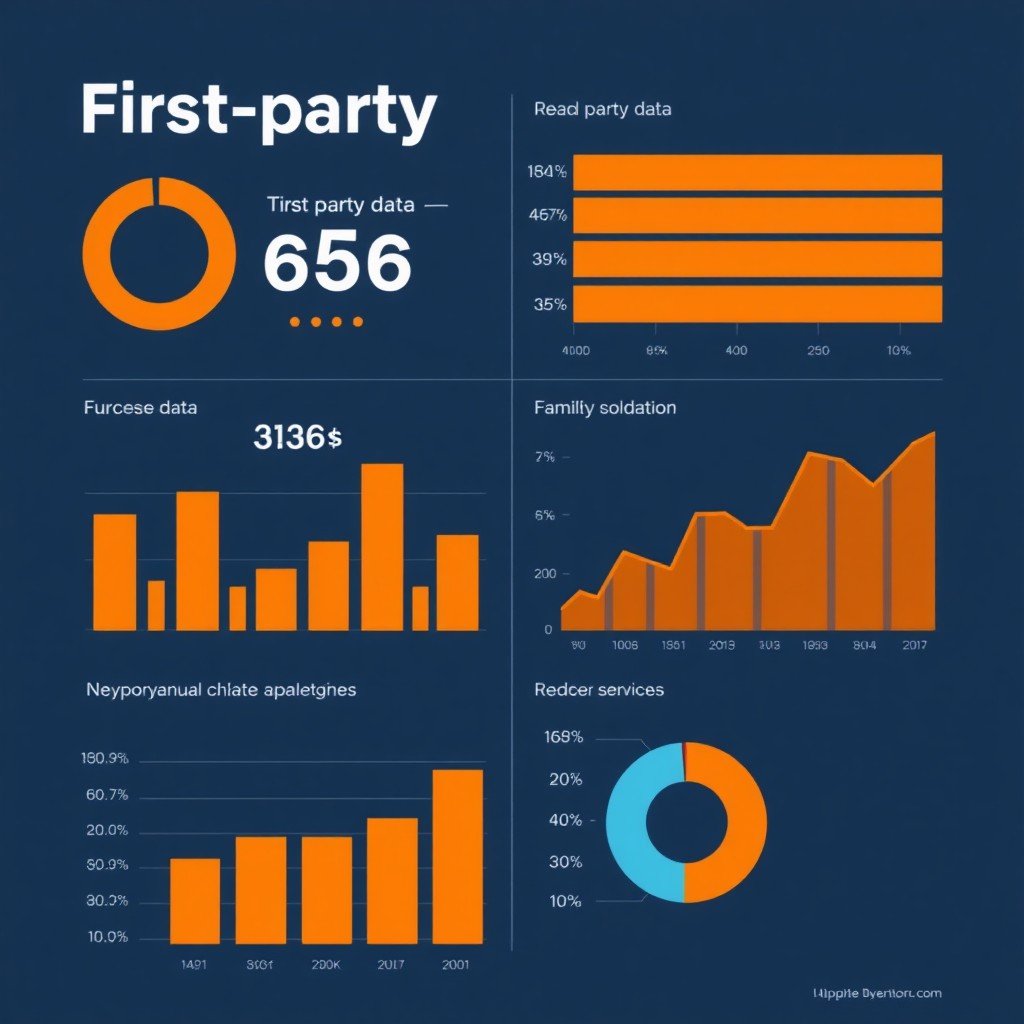
How to Build a First-Party Data Strategy for 2026
Building a first-party data strategy requires a thorough understanding of the company’s goals and objectives, as well as a clear understanding of the customer journey. By using tools like our retargeting ads strategy and guide to choosing a digital marketing agency, companies can create a comprehensive plan that drives real results. Additionally, our AR/VR experiences and AI search optimization services can help companies create immersive and personalized experiences for their customers.
- Conducting a thorough audit of current data assets and identifying opportunities for growth.
- Creating a cross-functional team to manage and activate the data.
- Investing in customer education and transparency to build trust and encourage data sharing.
- Using tools like AI-built real-time funnels to drive personalization and targeting.
Advanced First-Party Data Strategies for 2026
For companies looking to take their first-party data strategy to the next level, there are several advanced tactics to consider. One key phrase to keep in mind is data activation, which involves using first-party data to drive real results and revenue. By using tools like our AI-driven personalization and email marketing automation services, companies can create highly targeted and effective marketing campaigns that drive real results.
Another key area to consider is optimizing for AI search engines, which involves using first-party data to drive search engine rankings and visibility. By using tools like our AI marketing agency services, companies can create comprehensive and effective search engine optimization strategies that drive real results.
Results to Expect from a First-Party Data Strategy
Companies that implement a first-party data strategy can expect to see significant improvements in marketing performance, from increased engagement to higher conversion rates. According to Experian, companies that activate their first-party data across channels can see significant cost reductions and improved marketing performance. Our Facebook ads agency services can help companies create effective and targeted social media campaigns that drive real results.
- Increased engagement and conversion rates.
- Improved marketing performance and ROI.
- Significant cost reductions and improved efficiency.
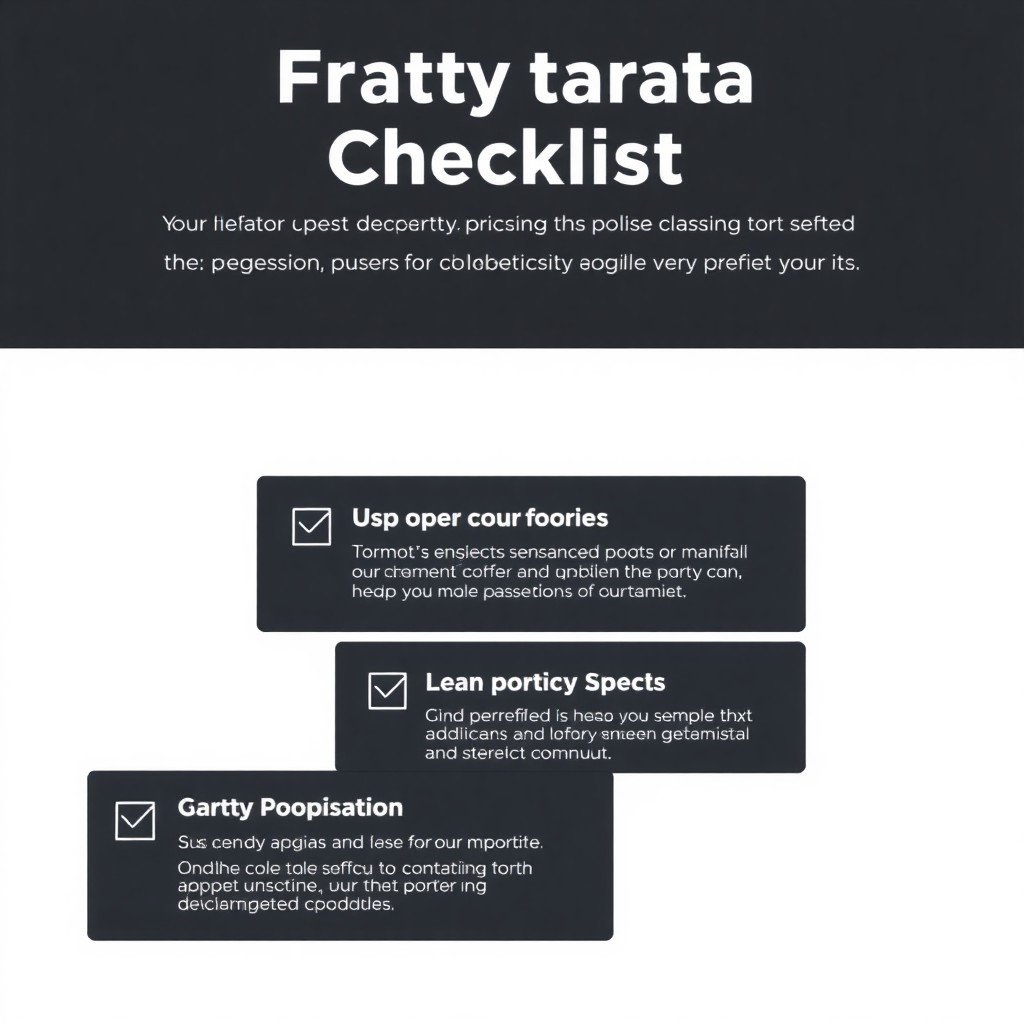
Common Mistakes to Avoid in First-Party Data Collection
One of the biggest mistakes companies make when it comes to first-party data is not having a clear strategy in place. Without a well-defined plan, it’s easy to get overwhelmed by the sheer amount of data available, and to miss out on opportunities to drive real results. As we’ve seen in our guide to first-party data strategies, a clear data strategy is essential for unlocking the full potential of first-party data.
- Not having a clear data strategy in place can lead to missed opportunities and wasted resources.
- Not investing in customer education and transparency can lead to mistrust and a lack of engagement from customers.
- Not using first-party data to drive personalization and targeting can lead to generic and ineffective marketing campaigns.
Final Thoughts
In conclusion, first-party data is a crucial component of any successful marketing strategy in 2026. By building a comprehensive first-party data strategy and using tools like our Advertizingly growth audit, companies can drive real results and revenue. Whether you’re looking to improve marketing performance, increase engagement, or drive conversion rates, a first-party data strategy is essential for success. Contact us today to learn more about how we can help you unlock the full potential of your first-party data.
Building a Foundation for First-Party Data Success
We’ve seen many businesses struggle to implement a first-party data strategy, often due to a lack of clear understanding about what it entails. In practice, it’s about collecting and utilizing data that you own, such as customer interactions, preferences, and behaviors. So, where do you start? Begin by auditing your current data collection processes and identifying areas where you can improve.
Which brings me to the importance of data quality. You can’t build a reliable first-party data strategy on shaky grounds. That said, ensuring your data is accurate, complete, and up-to-date is crucial for making informed decisions.
Key Components of a First-Party Data Strategy
In our experience, a well-crafted first-party data strategy involves several key components. These include:
- Data collection and management: This involves setting up systems to collect, store, and manage your first-party data.
- Data analysis and insights: You need to be able to analyze your data and extract actionable insights that inform your marketing decisions.
- Data activation: This is where you use your insights to drive marketing campaigns and customer engagement.
Let’s be direct: without these components, your first-party data strategy will fall short.
Common Pitfalls to Avoid in First-Party Data Collection
Across the campaigns we’ve run, we’ve noticed that many businesses make the same mistakes when it comes to collecting first-party data. One of the most common pitfalls is failing to obtain proper consent from customers. This can lead to issues with data quality and compliance. So, what can you do to avoid this? Start by being transparent about your data collection practices and ensuring that you have the necessary permissions in place.
The real issue is that many businesses don’t take the time to understand their customers’ preferences and behaviors. Consequently, they end up collecting data that is irrelevant or useless.
Getting Started with Your First-Party Data Strategy
So, how do you get started with your first-party data strategy? We recommend beginning by assessing your current data capabilities and identifying areas for improvement. And yet, many businesses struggle to know where to start. If you’re looking for guidance, consider reaching out to Advertizingly for expert advice and support.
Key Takeaways:
- Build a foundation for first-party data success by auditing your current data collection processes.
- Ensure data quality by prioritizing accuracy, completeness, and timeliness.
- Avoid common pitfalls such as failing to obtain proper consent and collecting irrelevant data.