
Marketing psychology is a crucial aspect of any successful marketing strategy, as it helps businesses understand how consumers think, feel, and make decisions. By applying the principles of marketing psychology, companies can create targeted campaigns that resonate with their audience and drive sales. In 2026, marketing psychology is more important than ever, as consumers expect personalized, seamless experiences and brands that align with their values. According to a study by Bain & Company and Klaviyo, businesses using AI-powered high-LTV customer identification grew 3.4x faster than those using traditional methods.
Quick Summary: What You Need to Know About Marketing Psychology
- Marketing psychology is the study of how consumers think, feel, and make decisions
- Personalization, cognitive biases, and emotional drivers are key factors in influencing buying decisions
- Marketers must adapt to real-time trends and AI insights to stay ahead
- Brands that align with consumer values see higher loyalty and retention
- Understanding marketing psychology is crucial for creating effective marketing strategies
Understanding the Principles of Marketing Psychology
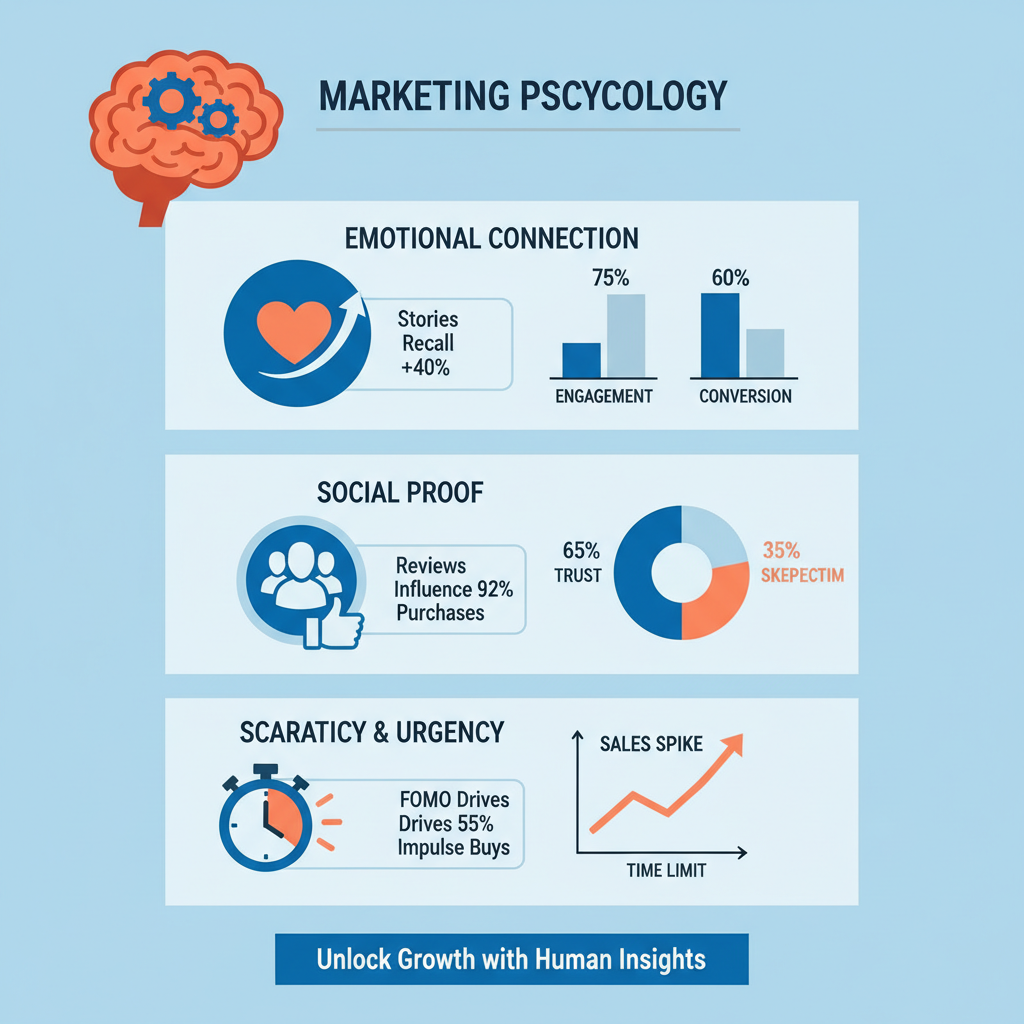
Marketing psychology is a complex field that involves understanding human behavior, cognitive biases, and emotional drivers. By applying these principles, marketers can create campaigns that resonate with their audience and drive sales. For example, using social proof, such as customer testimonials and reviews, can increase trust and credibility with potential customers. According to Mailchimp, marketing psychology is the act of using research to understand why people think and act the way they do.
- Social proof: using customer testimonials and reviews to increase trust and credibility
- Scarcity: creating a sense of urgency to encourage purchases
- Emotional drivers: appealing to emotions such as happiness, sadness, or fear to drive sales
Common Mistakes in Marketing Psychology
Ignoring Consumer Values
One of the most common mistakes in marketing psychology is ignoring consumer values. Brands that fail to align with consumer values see lower loyalty and retention. According to Exeed College, when deployed thoughtfully, FOMO (fear of missing out) can drive sales and enhance brand engagement, especially among younger demographics.
Failing to Adapt to Real-Time Trends
Another mistake is failing to adapt to real-time trends and AI insights. Marketers must stay ahead of the curve and adjust their strategies accordingly. By using tools such as our ad budget calculator, marketers can optimize their campaigns and reach their target audience more effectively.
- Ignoring consumer values and failing to align with their needs and preferences
- Failing to adapt to real-time trends and AI insights
- Not using personalization and cognitive biases to influence buying decisions
Advanced Marketing Psychology Tactics
For marketers who want to take their strategies to the next level, there are several advanced tactics to consider. One approach is to use AI-driven insights to understand consumer behavior and preferences. By analyzing data and trends, marketers can create targeted campaigns that resonate with their audience and drive sales. Our marketing blog provides valuable insights and tips on how to use marketing psychology to drive sales and growth.
- Using AI-driven insights to understand consumer behavior and preferences
- Creating personalized experiences that resonate with the target audience
- Applying cognitive biases and emotional drivers to influence buying decisions
- Staying up-to-date with the latest trends and research in marketing psychology
Results and What to Expect from Marketing Psychology
By applying the principles of marketing psychology, businesses can expect to see significant improvements in sales, loyalty, and retention. According to Ingenious Hitech, marketing psychology in 2026 refers to the use of behavioral science, data, and artificial intelligence to understand how consumers think, feel, and make decisions. By using our case studies and Small Business and Branding: A Value-First Approach guide, marketers can learn how to apply marketing psychology to drive sales and growth.
- Improved sales and revenue
- Increased loyalty and retention
- Enhanced brand engagement and awareness
Common Mistakes to Avoid in Marketing Psychology
One of the most common mistakes in marketing psychology is ignoring the importance of personalization and cognitive biases. By failing to understand how consumers think and feel, marketers can create campaigns that fall flat and fail to drive sales. Our LLM and AIO: The 2026 Strategy to Dominate AI Search guide provides valuable insights on how to use AI-driven insights to drive sales and growth.
- Ignoring the importance of personalization and cognitive biases
- Failing to adapt to real-time trends and AI insights
- Not using emotional drivers and social proof to influence buying decisions
Final Thoughts
In conclusion, marketing psychology is a powerful tool that can help businesses drive sales, loyalty, and retention. By understanding how consumers think, feel, and make decisions, marketers can create targeted campaigns that resonate with their audience and drive growth. For more information on how to apply marketing psychology to drive sales and growth, check out our 10 Marketing Advice for Small Businesses to Scale in 2026 guide and our Small Business Branding Strategy: A Value-First Masterclass for 2026 course. Additionally, our Use of AI in Marketing: 2026 Trends You Can’t Ignore guide provides valuable insights on how to use AI-driven insights to drive sales and growth. If you’re interested in learning more about how Advertizingly can help you drive sales and growth through marketing psychology, contact us for a growth audit and check out our ALLO – high-quality kitchen and food storage solutions case study.
Understanding Consumer Motivations
We’ve seen that marketing psychology plays a significant role in driving buying decisions, and it all starts with understanding consumer motivations. In most cases, consumers are motivated by a desire to solve a problem or improve their lives in some way. That said, it’s crucial to identify the underlying motivations that drive your target audience. Which brings me to the importance of conducting thorough market research to gain insights into your customers’ needs and desires.
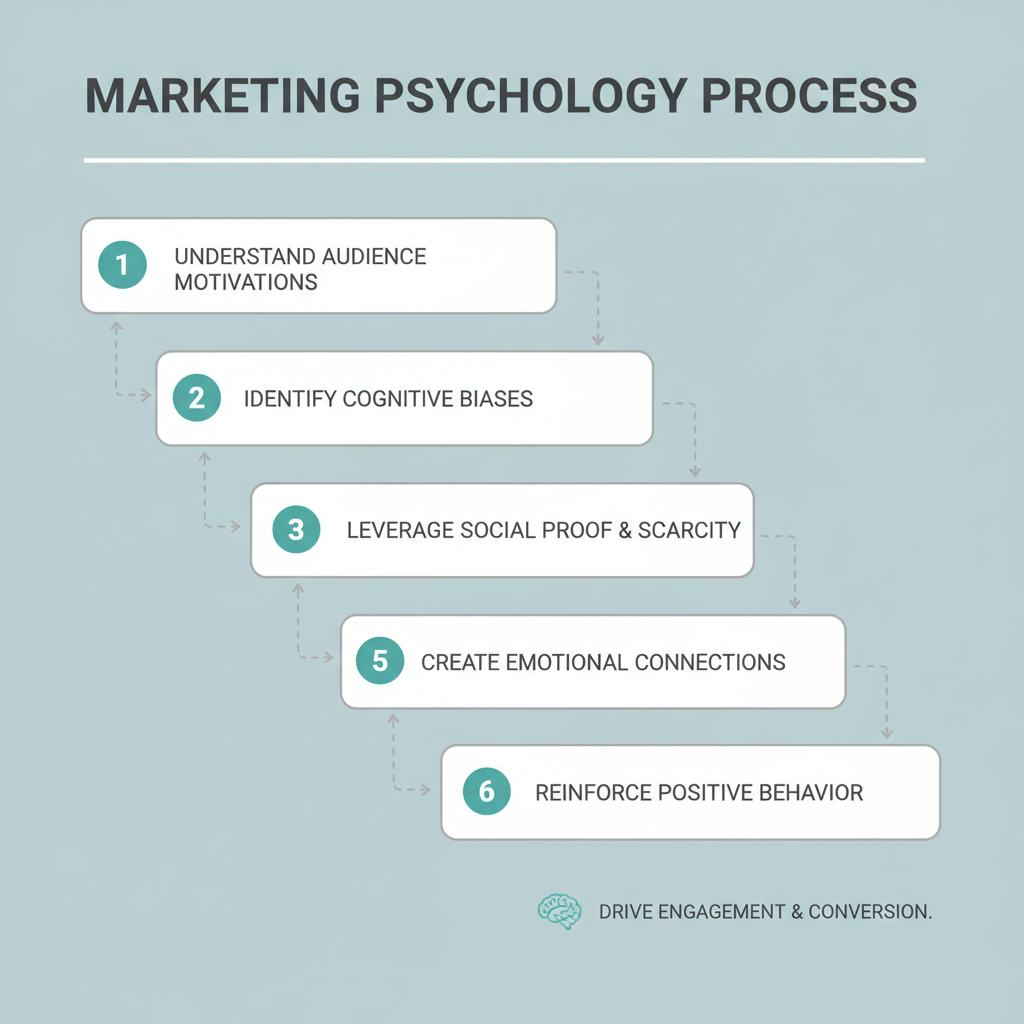
So, how can you apply this knowledge to your marketing strategy? Let’s talk about the power of emotional connections. When you create an emotional connection with your audience, you increase the chances of building trust and loyalty. Consequently, this can lead to increased brand advocacy and ultimately, drive sales.
Applying the 7 Principles of Marketing Psychology
In our experience, applying the 7 principles of marketing psychology can make all the difference in driving buying decisions. Here’s a breakdown of the key principles:
- Reciprocity: offering value in exchange for something
- Commitment and Consistency: encouraging customers to make a commitment
- Social Proof: using customer testimonials and reviews
- Authority: establishing your brand as a trusted authority
- Liking: creating a personal connection with your audience
- Scarcity: creating a sense of urgency
- Unity: creating a sense of community
And yet, it’s not just about applying these principles, but also about understanding how they intersect and impact each other. Worth noting: the key to success lies in finding the right balance and combination of principles that work for your specific audience.
Measuring the Impact of Marketing Psychology
The real issue is that many marketers struggle to measure the impact of marketing psychology on their campaigns. In terms of metrics, it’s essential to track engagement, conversion rates, and customer retention. So, how can you measure the effectiveness of your marketing psychology strategy?
- Track website analytics to monitor engagement and conversion rates
- Conduct customer surveys to gather feedback and insights
- Monitor social media metrics to track brand mentions and sentiment
In most cases, a combination of these metrics will give you a comprehensive view of your campaign’s performance. That said, it’s crucial to continually test and refine your strategy to optimize results.
Getting Started with Marketing Psychology
Let’s talk about how to get started with marketing psychology. Honestly, this one mistake kills most campaigns: failing to understand the target audience. We’ve seen this pattern repeatedly, and it’s essential to take the time to conduct thorough research and analysis. If you’re looking for expert guidance, consider reaching out to Advertizingly to discuss your marketing strategy and how to apply the principles of marketing psychology to drive buying decisions.
Key Takeaways:
- Understand consumer motivations and create emotional connections
- Apply the 7 principles of marketing psychology
- Measure the impact of marketing psychology on your campaigns
- Seek expert guidance to optimize your strategy