
Generative Engine Optimization (GEO): A 2026 SaaS Guide
Look, the reality is that your current search strategy is likely dying. For years, we obsessed over blue links, keyword density, and traditional Domain Authority. We chased the algorithm like it was a holy grail. However, the search engines are now chasing the LLMs. If you’re still playing the old SEO game in 2026, you’re not just behind—you’re invisible. Welcome to the era of Generative Engine Optimization (GEO). This is not just a trend; it is a fundamental shift in how B2B discovery works.
The Generative Engine Optimization Paradigm Shift
The fundamental shift isn’t just in how users search; it’s in how they consume answers. When a SaaS buyer searches for a solution today, they aren’t looking for a list of ten websites. Crucially, they’re looking for a consolidated, synthesized answer provided by a generative engine. If your brand isn’t the one cited, you don’t exist in that decision-making moment.
Furthermore, Generative Engine Optimization requires a complete rethink of how we view our brand presence. The generative engines don’t care about your traditional backlinks or keyword-stuffed meta-tags. They care about entity recognition, source authority, and the ability to answer complex, multi-layered queries.
- You must optimize your brand entity to be recognized by these engines.
- As a result, you must prioritize semantic understanding over mere string matching.
Read More: Scaling ROAS in a Cookieless World: The Expert Strategy
Why SaaS Agencies are currently blind to Generative Engine Optimization
Most agencies are still stuck in 2024. They’re obsessing over search volume data that is becoming less and less relevant. Consequently, they’re building content clusters around long-tail keywords that nobody is actually typing into a search bar anymore.
They’re trying to “hack” the search experience rather than authoring the answer. Crucially, this is a dangerous approach. When you prioritize keyword density over authoritative answers, you aren’t providing value; you are merely creating noise.
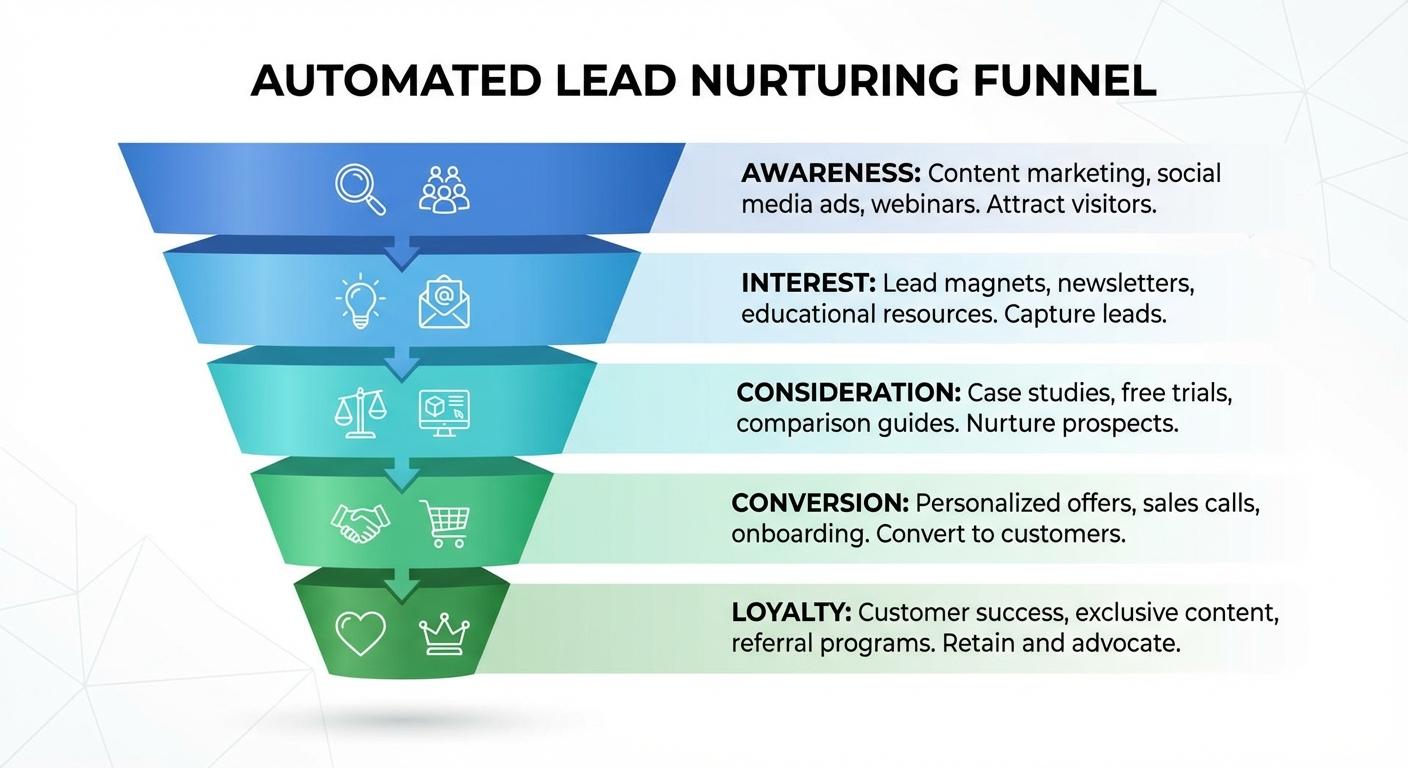
Generative engines are designed specifically to filter out this noise. For authoritative insights on the changing landscape, check out Search Engine Journal. Indeed, your focus must shift toward being helpful. More importantly, you must understand that the engine is not a destination. It is a funnel.
Expert Insight: Optimization for AI is not about keywords; it’s about being the most helpful, verified entity in your specific B2B domain. You need to stop creating content for engines and start creating answers for humans.
Read More: What Is a Marketing Strategy?
The Anatomy of a GEO-Optimized SaaS Answer
Think about the way your buyers actually ask questions. They don’t search “best SaaS for lead gen.” They ask “how do I solve my SDR bottleneck for a team of 50?”
- Your content needs to address that specific pain point immediately, concisely, and with authoritative proof.
- Your content architecture needs to shift from purely descriptive to diagnostic and solution-oriented.
- You need to provide the “why” and the “how.”
For instance, if you are a CRM provider, don’t just write “best CRM for SaaS.” Write “how a CRM automates pipeline management for high-growth SaaS teams.” In addition, ensure your answer is structured for easy parsing by LLMs. As a result, you become the primary source. Furthermore, by providing concrete examples, you demonstrate your expertise. For example, you can use case studies to prove your approach. In fact, case studies are essential for building trust with potential buyers.
Read More: Scaling ROAS in a Cookieless World: The Expert Strategy
Actionable Generative Engine Optimization Tactics
If you want to win in 2026, you have to move beyond the basics. Here is how we’re structuring for GEO:
| Tactic | Expected GEO Outcome |
|---|---|
| Structured Entity Schema | Higher likelihood of being cited by LLMs |
| Direct Q&A Content Blocks | Featured in AI answer boxes/summaries |
| First-Party Data Integration | Verified authority for industry benchmarks |
Read More: What Is an Advertisement? Why it matters?
Understanding Entity Recognition and Authority
Generative models rely on entity recognition—understanding that your brand, your software, and your niche are all interconnected. When a model understands these entities, it can confidently cite you as an authority. This is why generic “content marketing” is dead. You need to author authoritative content that connects your brand entity to the problem entity in your customer’s mind.
Furthermore, Google’s Knowledge Graph is a prime example of entity recognition. When you establish your brand as a node in this graph, you become ‘searchable’ by definition, not just keyword rank.
- Consistent NAP (Name, Address, Phone) data is crucial.
- Verified social profiles are necessary.
- Consistent mentions in credible, industry-relevant publications help significantly.
Indeed, building this authority takes time, but it is necessary. Consequently, focus on long-term authority building rather than short-term keyword gains.
Expert Insight: Authority isn’t just about the links you get; it’s about how clearly your brand defines the problem and the solution within your niche.

Read More: What Is a Marketing Strategy?
Technical Generative Engine Optimization Implementation
Technical Generative Engine Optimization involves more than just good content; it requires a robust technical foundation. You need to ensure your site is crawlable, indexable, and structured for AI ingestion.
This means implementing JSON-LD schema markup that explicitly defines your brand as an expert entity in your field. Consider JSON-LD schema. It provides explicit semantic meaning.
- Use
Organizationschema to define your brand. - Use
Articleschema for content pieces. - Use
FAQPageschema for direct Q&A blocks.
Every piece of your site content needs to be tagged to be machine-readable. Furthermore, you need to ensure that your site speed and mobile performance are flawless. Generative engines favor sites that provide a seamless user experience, as this is a signal of overall site quality. Consequently, invest in technical SEO as much as content.
Read More: Why Is Search Engine Optimisation Important?
The Future of B2B Search (Interactive & Trust-based)
Furthermore, trust is the new currency. Your brand needs to be verified, cited, and recognized across the web as the authority for your specific software solution. As noted by Google’s Privacy Sandbox, the web is shifting toward more secure, user-centric data models. This isn’t just about PR; it’s about a technical web-presence strategy that spans across your own site, industry publications, and third-party review platforms.
The future of search is interactive. Users will engage with search results, asking follow-up questions to refine the answer. You need to be prepared to answer those questions too. Therefore, invest in conversational AI tools on your site. More importantly, prioritize user feedback.
Why ignoring Generative Engine Optimization is a death sentence for growth
If you aren’t optimizing for generative search, you’re invisible to the future of B2B discovery. It’s that simple. We’ve seen clients shift from losing traffic to regaining their competitive position by simply aligning their content architecture with how LLMs actually ingest information.
More importantly, this shift is permanent. Consequently, you must adapt today. In addition, you need to monitor your performance metrics. Track how many times you are cited by AI models. Use that data to refine your content. Therefore, don’t wait for your competitors to take the lead.
Final Thoughts: The Path Forward
The first step is a content audit. You need to strip away the fluff. Anything that isn’t providing a concrete, verifiable answer to a burning industry question is holding you back. Focus on depth, focus on authority, and focus on the technical implementation of schema.
Look, the reality is that the shift is happening whether you like it or not. The agencies that adapt will dominate the next decade of B2B discovery. The agencies that don’t? They’ll be gone.
It’s time to move beyond the old SEO and start optimizing for the future. Indeed, start now.
Read More: What is branding & why it is important?