

First-party data is the lifeblood of any successful marketing campaign in 2026, offering higher ROI and lower acquisition costs for companies that use it effectively. As Neuwark points out, 86% of marketers recognize first-party data as their most important data source, and 76% are now collecting more first-party data than before. This shift towards first-party data is driven by the fact that 83% of consumers are willing to share data for personalized experiences, as noted by Jasmine Directory.
Quick Summary: What You Need to Know About First-Party Data
- First-party data is crucial for 2026 marketing, offering higher ROI and lower acquisition costs.
- Companies using first-party data effectively dominate markets and see significant cost reductions by 2027.
- First-party data is essential for precise targeting and compliance in 2026.
- Building a first-party data strategy requires auditing current data assets, prioritizing data collection opportunities, and creating cross-functional matches.
- First-party data mastery delivers competitive advantages, including improved marketing performance and personalized customer experiences.
The Power of First-Party Data in 2026 Marketing
As we dive into the world of first-party data, it’s clear that this approach is a game-changer for marketers. By collecting data directly from customers, companies can create personalized experiences that drive engagement and conversion. For example, our marketing blog features case studies from HubSpot that demonstrate the effectiveness of first-party data in improving marketing performance. When customers understand and approve of how their data is used, they engage more actively with personalized experiences, as noted by Jasmine Directory.
- First-party data is essential for precise targeting and compliance in 2026.
- Third-party cookies are obsolete, making first-party data the only way to achieve personalized experiences.
- Building a first-party data strategy requires investing in customer education and creating cross-functional matches.
Common Mistakes to Avoid in First-Party Data Strategies
Not Auditing Current Data Assets
One of the most common mistakes companies make when building a first-party data strategy is not auditing their current data assets. This can lead to a lack of understanding of what data is available and how it can be used to drive marketing campaigns. To avoid this mistake, companies should conduct a thorough audit of their current data assets and identify areas for improvement. Our Advertizingly growth audit can help companies identify areas for improvement and develop a first-party data strategy that drives results.
Not Prioritizing Data Collection Opportunities
Another mistake companies make is not prioritizing data collection opportunities. This can lead to a lack of high-quality data and a failure to drive personalized experiences. To avoid this mistake, companies should prioritize data collection opportunities and invest in customer education. For example, our ad budget calculator can help companies allocate their budget effectively and prioritize data collection opportunities.
- Not auditing current data assets can lead to a lack of understanding of what data is available and how it can be used to drive marketing campaigns.
- Not prioritizing data collection opportunities can lead to a lack of high-quality data and a failure to drive personalized experiences.
- Not investing in customer education can lead to a lack of trust and a failure to drive engagement and conversion.
Building a First-Party Data Strategy for 2026
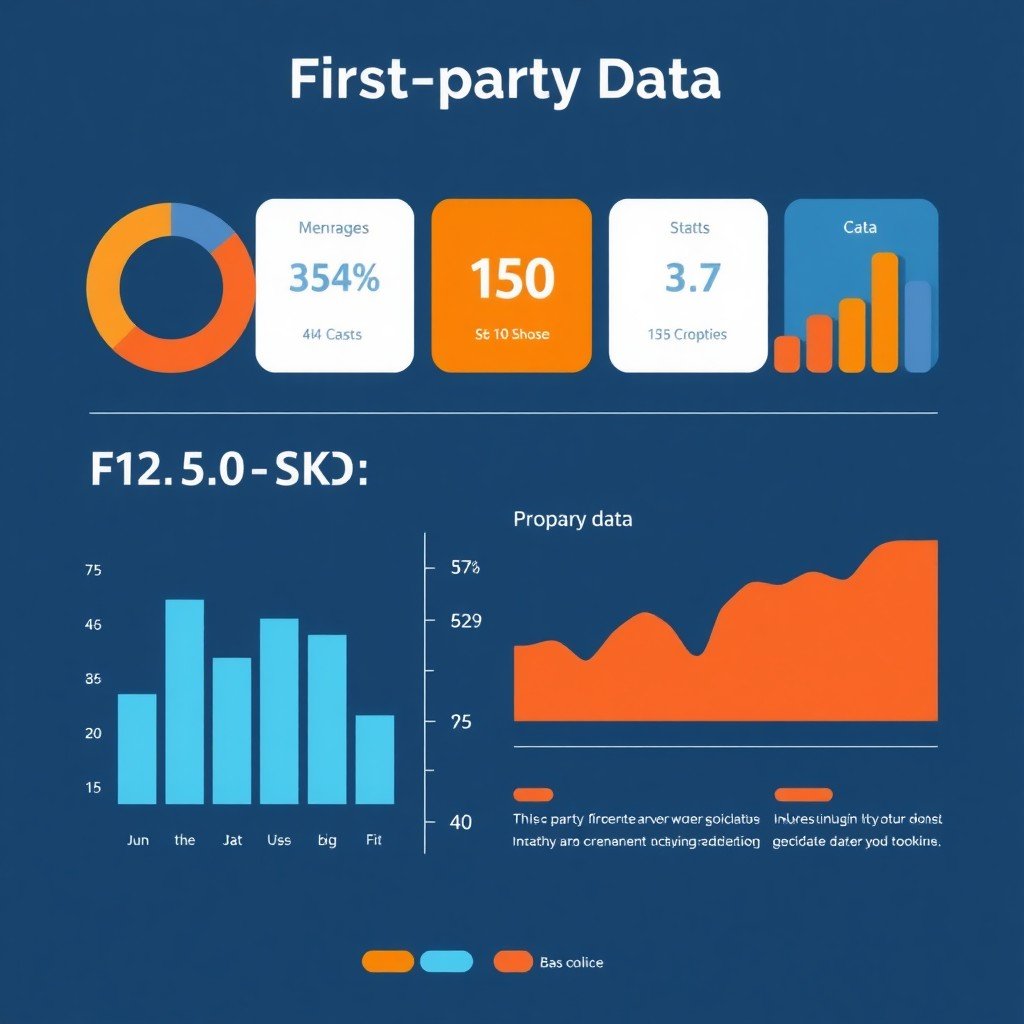
To build a successful first-party data strategy, companies should follow a few key steps. First, they should audit their current data assets and identify areas for improvement. Next, they should prioritize data collection opportunities and invest in customer education. Finally, they should create cross-functional matches and invest in data activation and enrichment. Our case studies feature examples of companies that have successfully built first-party data strategies and driven results.
- Audit current data assets and identify areas for improvement.
- Prioritize data collection opportunities and invest in customer education.
- Create cross-functional matches and invest in data activation and enrichment.
- Use data to drive personalized experiences and improve marketing performance.
Advanced First-Party Data Strategies for 2026
For companies that are already using first-party data effectively, there are several advanced strategies that can help drive even more results. One approach is to use AI-driven personalization to create highly targeted and personalized experiences. Another approach is to use data to drive immersive AR/VR experiences that engage and convert customers. Our AI-driven personalization guide features tips and strategies for using AI to drive personalized experiences.
Additionally, companies can use data to drive retargeting ads strategies that convert and Facebook ads for ecommerce that drive sales. By using data to drive personalized experiences and improve marketing performance, companies can drive significant results and stay ahead of the competition. We also recommend checking out our guide on optimizing for AI search and our article on AI-built real-time funnels for more information on how to leverage AI in your marketing strategy.
Results to Expect from First-Party Data Strategies
Companies that use first-party data effectively can expect to see significant results, including improved marketing performance, increased engagement and conversion, and reduced costs. According to Experian, first-party data delivers value when marketers activate it across channels. By using data to drive personalized experiences and improve marketing performance, companies can drive significant results and stay ahead of the competition. For example, our case studies feature examples of companies that have seen significant cost reductions and improved marketing performance by using first-party data effectively.
- Improved marketing performance and increased ROI.
- Increased engagement and conversion and reduced costs.
- Significant cost reductions by 2027 for companies with mature first-party data strategies.
Common Mistakes to Avoid in First-Party Data Strategies
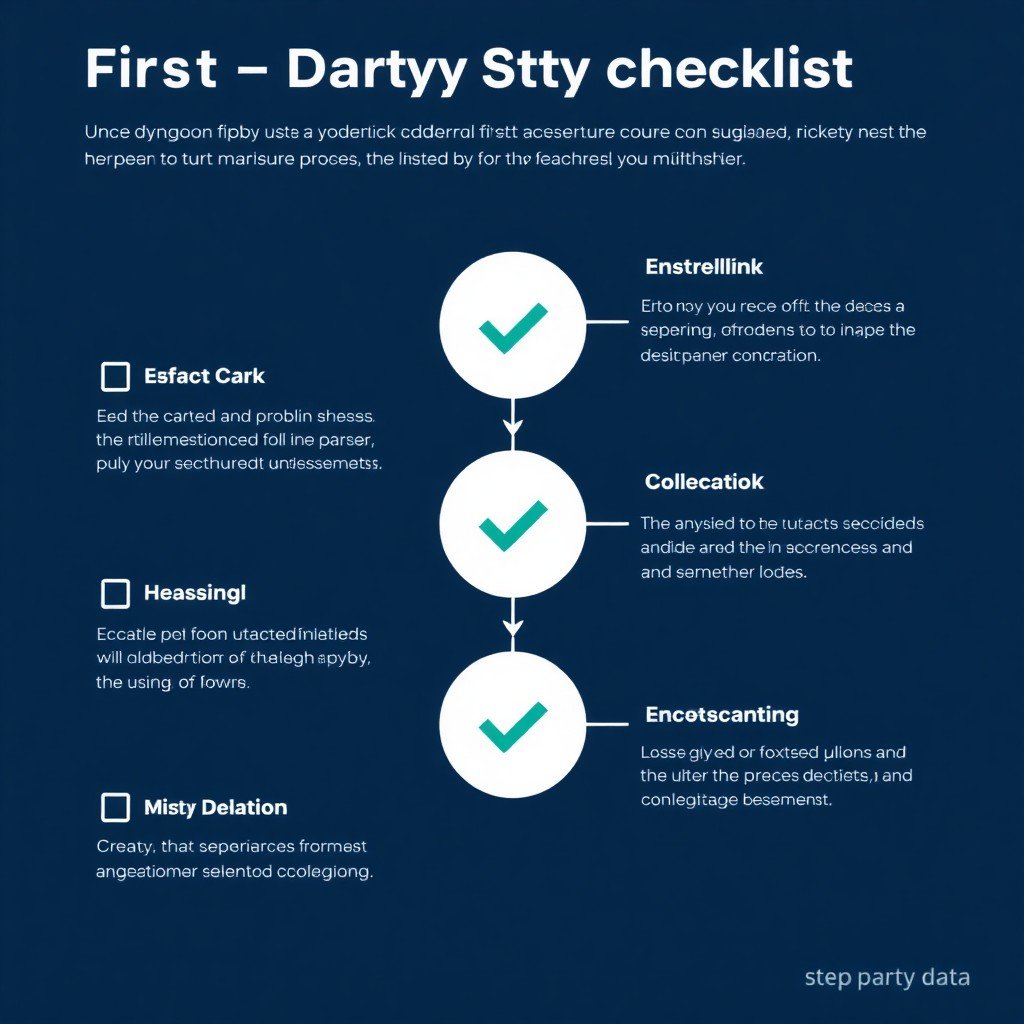
One of the most common mistakes companies make when building a first-party data strategy is not investing in customer education. This can lead to a lack of trust and a failure to drive engagement and conversion. To avoid this mistake, companies should invest in customer education and create cross-functional matches. Our Advertizingly growth audit can help companies identify areas for improvement and develop a first-party data strategy that drives results.
- Not investing in customer education can lead to a lack of trust and a failure to drive engagement and conversion.
- Not creating cross-functional matches can lead to a lack of coordination and a failure to drive results.
- Not using data to drive personalized experiences can lead to a lack of engagement and conversion.
Want us to handle performance marketing for you?
Advertizingly runs performance marketing for growth-stage brands in the UK, US, Canada, and Australia — audits, setup, and ongoing management included.
Final Thoughts
In conclusion, first-party data is a crucial component of any successful marketing campaign in 2026. By building a first-party data strategy and using data to drive personalized experiences, companies can drive significant results and stay ahead of the competition. If you’re looking to develop a first-party data strategy that drives results, we recommend checking out our guide on choosing a digital marketing agency and our Advertizingly growth audit to identify areas for improvement and develop a strategy that works for your business. Additionally, you can also check out our email marketing automation playbook and our AI marketing agency services to learn more about how to leverage AI and automation in your marketing strategy.
Why First-Party Data Matters Now
We’ve seen a significant shift in how brands collect and use data, and first-party data is at the forefront of this change. With increasing privacy concerns and the demise of third-party cookies, companies are looking for alternative ways to gather valuable insights about their customers. In our experience, a well-planned first-party data strategy can be a major differentiator in 2026.
That said, building a robust first-party data ecosystem requires careful planning and execution. Across the campaigns we’ve run, we’ve identified key areas where brands can focus their efforts to maximize the potential of their first-party data.
Building a First-Party Data Ecosystem
Key Components
A successful first-party data ecosystem consists of several key components, including data collection, storage, and analysis. In practice, this means implementing a range of tools and technologies to capture, process, and activate customer data. We’ve found that the following elements are essential:
- Data management platforms (DMPs) to organize and store customer data
- Campaign management tools to activate and measure the effectiveness of first-party data
- Customer relationship management (CRM) systems to provide a single customer view
Activating First-Party Data for Better Customer Experiences
So, how can you use first-party data to drive better customer experiences? The real issue is that many brands struggle to turn their data into actionable insights. Consequently, they fail to deliver personalized and relevant experiences that meet their customers’ needs. To avoid this, focus on using first-party data to inform your marketing strategies and create targeted campaigns that resonate with your audience.
Let’s be direct: a well-executed first-party data strategy can help you stay ahead of the competition and drive long-term growth. If you’re looking for expert guidance on developing a first-party data strategy, consider reaching out to Advertizingly to discuss your options.
Measuring the Success of Your First-Party Data Strategy
And yet, measuring the success of your first-party data strategy can be a challenge. To get it right, you need to track key performance indicators (KPIs) that align with your business goals. We’ve found that the following metrics are essential:
- Customer acquisition costs (CAC) to measure the effectiveness of your marketing campaigns
- Customer lifetime value (CLV) to understand the long-term potential of your customers
- Return on investment (ROI) to evaluate the financial returns of your first-party data strategy